Executive Summary
Private social clubs have long been places for connection and community. However, the idea of what makes a club welcoming is changing. This article looks at how private social clubs can build a culture where everyone feels they belong. We’ll talk about why this is important today and how clubs can make it happen. The goal is to create an environment that’s open to all.
Key Takeaways
Clubs need to look at how they let new people join to make sure it’s fair and open.
Events and activities should be planned so they appeal to a wide range of people.
Leaders must show they care about making the club inclusive and be ready to take action.
Listening to what members say and acting on their feedback is key to improvement.
A focus on inclusivity helps clubs stay relevant and attractive to more people.
The Evolving Landscape of Private Social Clubs
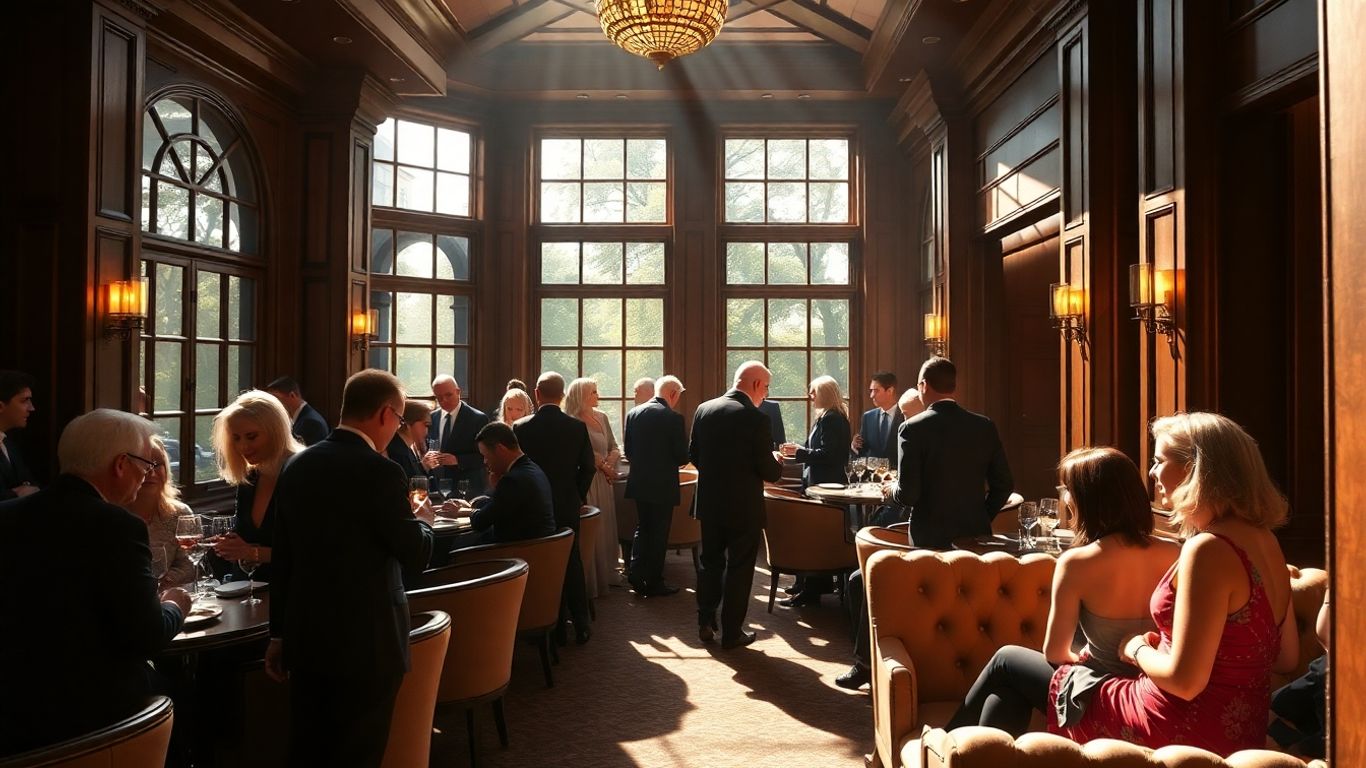
Private social clubs, once the exclusive domain of a select few, are undergoing a significant transformation. For generations, these institutions served as bastions of tradition, offering a curated environment for networking, leisure, and camaraderie. Think of the hushed libraries, the impeccably set dining rooms, the quiet corners for conversation – these were the hallmarks of a bygone era. Membership often followed established lines, reflecting the social strata of the time.
However, the world outside the club doors has changed, and so too have the expectations of potential and current members. The rigid structures and often homogenous membership of the past are increasingly out of step with a society that values diversity and broader representation. Today’s professionals, entrepreneurs, and community leaders come from all walks of life, bringing with them a wider array of experiences, perspectives, and interests. They seek connections, yes, but they also look for environments that reflect the dynamic, multifaceted world they inhabit
Clubs that fail to adapt risk becoming relics, struggling to attract new generations and maintain their vibrancy. The very definition of ‘social’ is expanding, and clubs must evolve to meet this new reality.
The traditional image of a private club is being challenged by a new generation seeking connection, community, and a sense of belonging that mirrors the diversity of modern life.
Consider the changing demographics and professional backgrounds of individuals who might have once been excluded.
Generational Shifts: Younger generations prioritize experiences and inclusivity, often questioning the exclusivity of traditional models.
Economic Diversification: Wealth and influence are no longer concentrated in the same narrow circles as they were decades ago.
Global Connectivity: Increased international travel and communication expose people to a wider range of cultures and social norms.
This evolving landscape presents both a challenge and a significant opportunity for private social clubs to redefine their purpose and appeal to a broader audience, ensuring their continued existence and prosperity.
Why Inclusivity Matters in Private Social Clubs
Private social clubs, once bastions of exclusivity, are finding that a more open approach is good for business and the spirit of community. If clubs want to stay relevant and vibrant, they need to change. You don’t have to abandon tradition, but you can build upon it with a broader perspective.
Attracting a Wider Membership Base
Sticking to the same old membership criteria can feel like trying to fit a square peg into a round hole in today’s diverse society. When clubs open their doors a bit wider, they naturally draw in people from different backgrounds, professions, and life experiences. It brings fresh ideas and new energy into the club. Most people want to be part of a club where the conversations at dinner span a much richer tapestry of life – that’s a club that’s truly alive.
Enhancing Member Experience and Retention
People want to feel seen and heard, not left out or looking in from the “outside.” When a club makes an effort to be inclusive, fostering events that truly bring people together, current members often feel a stronger connection. They see themselves reflected in the club’s community and activities. This sense of belonging is a powerful driver for keeping members engaged and happy. A club that feels welcoming to everyone is a club people want to stick with, year after year. It’s about creating a place where everyone feels they have a stake.
Reflecting Modern Societal Values
Clubs are part of the larger community, and like any organization, they are expected to align with the values of the time. Today, fairness and equal opportunity are widely accepted principles. A club that actively embraces inclusivity demonstrates a commitment to these modern ideals. It shows that the club is not stuck in the past but is looking forward, ready to be a positive force in the world.
The most successful clubs of the future will be those that understand that diversity is the bedrock of a thriving, dynamic community. Clubs need to create a space where everyone feels they belong, not just because they fit a mold, but because their unique contributions are welcomed and celebrated.
Key Pillars of an Inclusive Club Culture

Building a club where everyone feels welcome is the bedrock of a thriving community. Think of it as the foundation of a really great party – if the music’s only for one group, or the snacks are too niche, not everyone’s going to have a good time. For private social clubs, this means looking closely at how you operate and making sure our doors are genuinely open.
Transparent and Equitable Membership Processes and Onboarding
Let’s be honest, sometimes club memberships can feel a bit like a secret handshake. To be truly inclusive, the way people join needs to be clear and fair. This means spelling out the requirements, the application steps, and how decisions are made. No more guessing games or relying on who you know. A well-defined process helps remove bias and makes sure that potential members are evaluated on their merits, not on their connections.
Clear Application Guidelines: Publish the criteria for membership openly. What are the expectations? What documents are needed?
Diverse Admissions Committees: Ensure the people reviewing applications represent a range of backgrounds and perspectives.
Regular Review of Policies: Periodically check if the membership rules unintentionally exclude certain groups and adjust as needed.
The goal here is to make the path to joining as straightforward and unbiased as possible. It’s about creating a system that invites, rather than intimidates.
Make sure your onboarding process covers how your club approaches inclusivity and building a culture of community. If you want to elevate the member onboarding experience, you can’t leave this step out. Many people care tremendously about how a club honors diversity and actively curates experiences that bring different people together.
Diverse Programming and Events
A private social club that only caters to one type of interest or demographic will naturally feel exclusive. To draw in a wider crowd, the activities and events need to reflect a variety of tastes and backgrounds.
Variety in Social Events: From book clubs and art workshops to sports leagues and culinary classes, offer something for everyone.
Cultural Celebrations: Acknowledge and celebrate different holidays and cultural events that are important to your members.
Guest Speakers and Performers: Invite individuals who bring different viewpoints and experiences to the club.
Active Listening and Feedback Mechanisms
Even with the best intentions, you won’t always get it right. Creating an inclusive space requires a commitment to hearing what members have to say, especially when they point out areas for improvement. Setting up easy ways for people to share their thoughts and acting on that feedback is key.
Suggestion Boxes (Digital & Physical): Make it simple for members to submit ideas or concerns anonymously if they prefer.
Regular Member Surveys: Periodically ask members about their experience and what could be better.
Open Forums or Town Halls: Host meetings where members can voice opinions and discuss club matters directly.
Leadership Commitment and Accountability
Inclusivity doesn’t just happen; it’s driven from the top. Club leaders need to champion these efforts and hold themselves and others accountable for creating a welcoming environment. When leadership is visibly committed, it sends a strong message throughout the entire club.
Setting Clear Expectations: Leaders should communicate the importance of inclusivity to all staff and members.
Integrating Inclusivity into Goals: Make diversity and inclusion part of the club’s strategic objectives.
Addressing Issues Promptly: When concerns about exclusion or bias arise, leaders must address them directly and fairly.
Strategies for Fostering an Inclusive Environment

Building a club where everyone feels welcome requires doing the right things, consistently. It demands a thoughtful approach to how the club operates day-to-day.
First, let’s talk about the nuts and bolts of membership. Are your application and selection processes clear to everyone? Do they unintentionally favor certain groups? Reviewing these steps with an eye for fairness is a good start. Consider anonymizing parts of applications where possible, or having a diverse committee review candidates. This helps remove unconscious bias.
Next, look at what your club actually does. Are the events and activities appealing to a broad range of people, or do they cater to a narrow interest group? Think about varying the types of gatherings. Maybe a formal dinner one week, a casual trivia night the next, or a workshop on a new skill. Variety keeps things fresh and can attract different personalities.
Here’s a quick look at how programming can be diversified:
Social Mixers: Host events that encourage members to mingle with people they might not normally interact with. Think themed happy hours or speed-networking sessions.
Skill-Building Workshops: Offer sessions on topics like cooking, photography, or even financial planning. These attract members with shared interests and provide learning opportunities.
Cultural Celebrations: Acknowledge and celebrate different holidays and cultural events represented within the membership. This shows respect and broadens everyone’s horizons.
Community Outreach: Organize volunteer days or charity events. Working together for a good cause can build strong bonds.
Communication is also key. How do members share their thoughts and concerns? Setting up clear channels for feedback, and more importantly, acting on that feedback, shows that member voices are heard and valued. This could be through regular surveys, suggestion boxes, or dedicated open forums.
Making a club truly inclusive means actively seeking out different perspectives and making sure those perspectives have a place at the table. It’s about creating a space where differences are not just tolerated, but celebrated as a source of strength and richness for the entire community. This requires ongoing effort, not just a one-time fix.
Finally, leadership needs to walk the talk. When club leaders visibly champion inclusivity, set clear expectations, and hold themselves and others accountable, it sends a powerful message throughout the entire organization. This sets the tone and demonstrates commitment through action.
Measuring Success and Continuous Improvement

So, how do you know if our efforts to build a more inclusive club are actually working? It’s not enough to just say we’re inclusive; we need to see it in action and keep making things better.
You can start by looking at some numbers. Membership demographics are a good place to begin. Are you seeing a broader mix of people joining? Tracking this over time can show us if your outreach is reaching new groups. You can also look at participation rates in different events. Are events designed for specific interests or demographics drawing diverse crowds, or are they still a bit… samey?
Here are a few ways to check our progress:
Membership Diversity Metrics: Keep an eye on the breakdown of new members by age, background, profession, and other relevant factors. A steady increase in variety is a good sign.
Event Attendance Analysis: Review who is attending various club events. Are there specific programs that consistently attract a more diverse group? What can you learn from those?
Member Feedback Surveys: Regularly ask members directly about their experiences. Use anonymous surveys to get honest opinions on whether they feel welcome and included.
This feedback loop is important. You need to actively ask members what’s working and what’s not. A simple suggestion box, a dedicated email address for feedback, or even informal chats during club events can provide gold.
The real test of inclusivity isn’t just in the policies we write, but in the everyday experiences of every single member. Are people feeling seen, heard, and valued? That’s the heart of it.
Once you gather this information, it’s time to act. If surveys show that certain groups feel overlooked, you need to figure out why and adjust your programming or communication. If a particular type of event is a hit with a diverse crowd, let’s do more of that! Continuous improvement means we’re always learning, adapting, and refining our approach. It’s an ongoing conversation, not a one-and-done project. Keep the dialogue open and the improvements coming.
The Takeaway: Making Clubs for Everyone
So, we’ve talked about a bunch of ways to make private clubs more welcoming. Making sure everyone who walks through the door feels like they belong, no matter who they are, takes dedication, but the payoff is huge. A club where everyone feels seen and heard? That’s a club that’s going to stick around and be a great place for years to come. Want more insights like these and to be part of a growing community of private social club owners and managers? Join the Club Intelligence community for free.
Frequently Asked Questions
Why is it important for private social clubs to be inclusive?
Making clubs inclusive means everyone feels welcome, no matter their background. This helps the club attract more interesting people, makes current members happier, and shows that the club is in tune with today’s world where everyone should feel included.
How can a club make sure its membership process is fair?
Clubs can be fair by having clear rules for joining that everyone can understand. They should look at all applicants equally and avoid favoritism, ensuring that who you know doesn’t matter as much as who you are and what you can bring to the club.
What kind of events make a club more welcoming?
Offering a variety of events that appeal to different tastes and backgrounds is key. This could mean having events that celebrate various cultures, hobbies, or age groups, so there’s something enjoyable for almost everyone.
How can club leaders show they care about inclusivity?
Leaders need to actively support making the club inclusive. This means setting an example, speaking up for fairness, and making sure the club’s rules and actions reflect a commitment to welcoming all members.
What if members have concerns about inclusivity?
Clubs should have easy ways for members to share their thoughts or worries. This could be through suggestion boxes, surveys, or open meetings where leaders genuinely listen and take action to address any issues raised.
How can a club tell if it's becoming more inclusive?
Success can be measured by looking at who is joining the club, how many different types of people are participating in events, and what members are saying in feedback. If more diverse people are joining and enjoying themselves, the club is likely moving in the right direction.
What's the main goal of building an inclusive club culture?
The main goal is to create a place where every single member feels valued, respected, and has a great time. It’s about making sure the club is a positive and enriching experience for everyone who belongs.