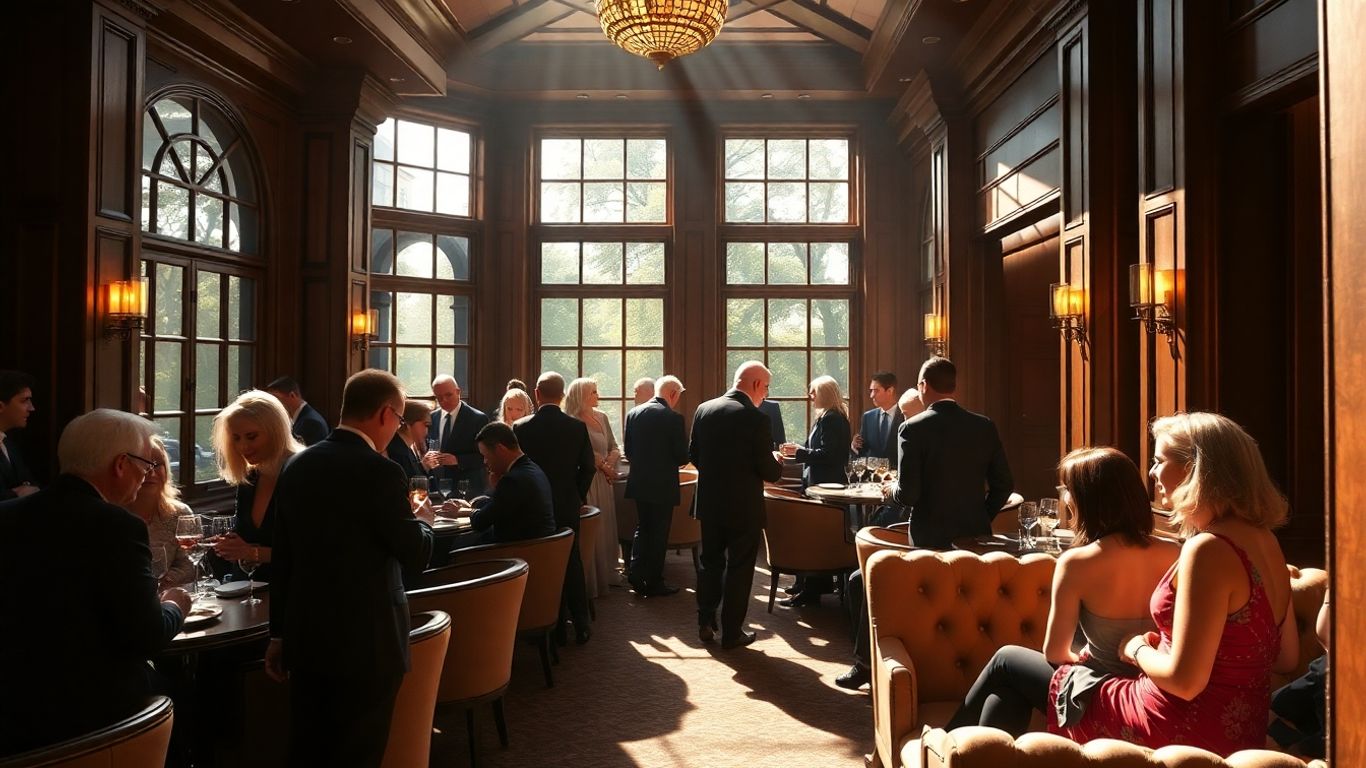
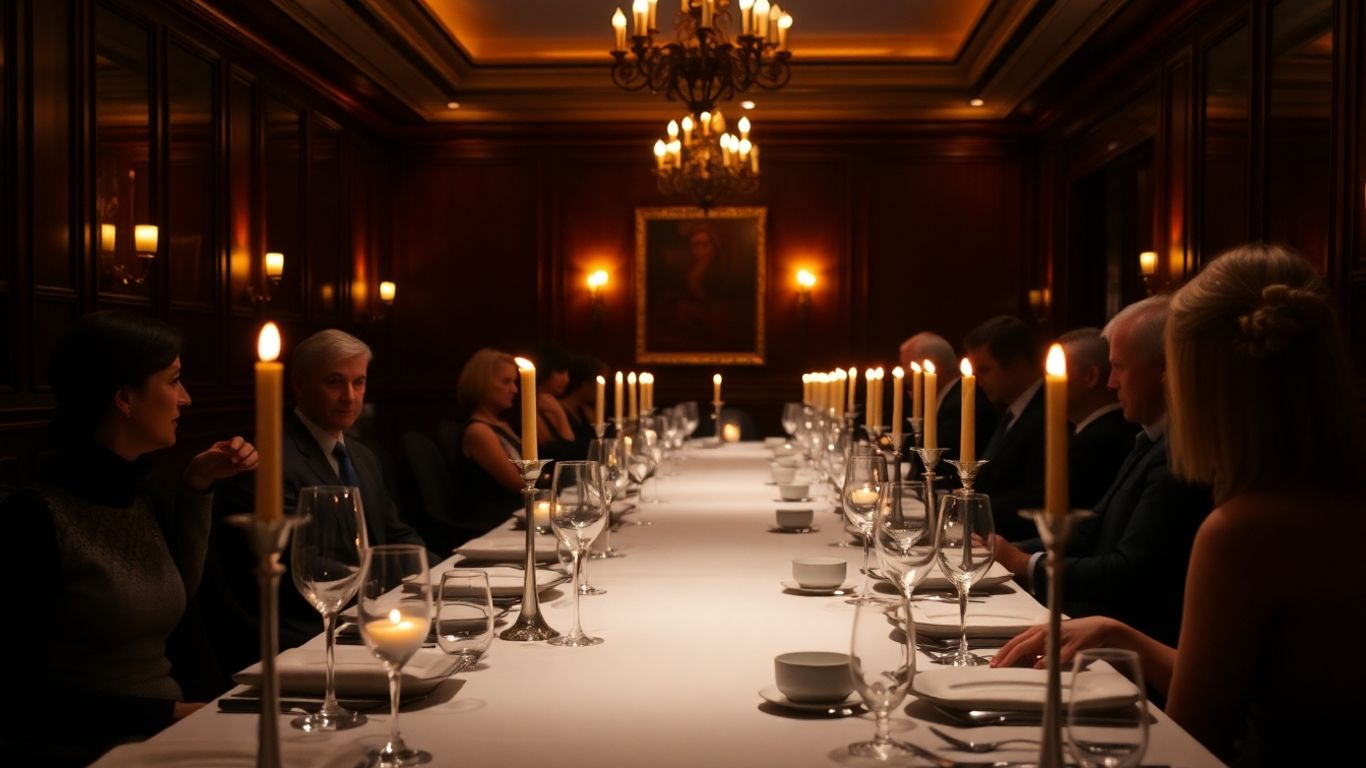
Private social clubs are changing. More and more, these exclusive spaces are looking at how they can be kinder to the planet. This shift towards sustainable design in private social clubs is about creating environments that feel good to be in, both for the members and for the world around us. We’re seeing a move towards using better materials, saving energy, and being smarter about waste, all while keeping that sense of luxury and comfort people expect.
Key Takeaways
Private social clubs are increasingly adopting sustainable design practices.
Focus on material selection, using reclaimed and renewable resources.
Energy efficiency and water conservation are key aspects of responsible club operation.
Waste reduction and circular economy principles are being integrated into club management.
Biophilic design elements, like plants and natural light, improve the member experience and well-being.
The Rise of Sustainability in Exclusive Spaces
It’s rather fascinating, isn’t it, how the very definition of exclusivity is evolving? For ages, private clubs were synonymous with hushed tones, mahogany, and a certain… well, traditional approach to luxury. But lately, there’s been a noticeable shift, a whisper that’s growing into a clear message: sustainability is the new status symbol. These aren’t just places for quiet contemplation anymore; they’re becoming vibrant hubs for connection, and increasingly, for conscious living. The members walking through those elegant doors are often the same ones making thoughtful choices in their daily lives, and they expect that same consideration from their chosen havens.
Why Private Social Clubs are Embracing Eco-Consciousness
This is a fundamental reevaluation of what makes a space truly desirable. Think about it: who wants to relax in a beautiful room if the materials used to build it are harming the planet? The modern member, often younger and more globally aware, is looking for more than just a comfortable chair and a good cocktail. They’re seeking alignment between their personal values and the environments they frequent. This has led to a surge in clubs prioritizing what we might call “green private spaces,” transforming themselves into truly sustainable luxury venues.
Here’s a peek at what’s driving this change:
A New Generation of Members: Younger professionals are entering the club scene with a different set of priorities. They value experiences and ethical practices just as much as, if not more than, traditional markers of wealth. They want to be part of something that reflects their own commitment to a better future.
The Appeal of Authenticity: In a world saturated with the artificial, genuine sustainability offers a refreshing sense of authenticity. Using reclaimed wood, sourcing local produce for the kitchen, or implementing smart energy systems isn’t just good for the planet; it tells a story. It adds a layer of depth and character that a polished but soulless design simply can’t match.
Operational Efficiency and Brand Image: Let’s be practical for a moment. Sustainable practices often lead to significant cost savings in the long run, particularly with energy and water consumption. Beyond the balance sheet, a club known for its eco-conscious approach garners positive attention and builds a stronger, more forward-thinking brand identity. It’s a smart business move that also happens to be the right thing to do.
This evolution means that the design and operation of these exclusive spaces are becoming as much about thoughtful stewardship as they are about refined comfort. It’s a welcome change, proving that luxury and responsibility can, and indeed should, go hand in hand.
Key Principles of Sustainable Design for Social Clubs
Material Selection: From Reclaimed to Renewable
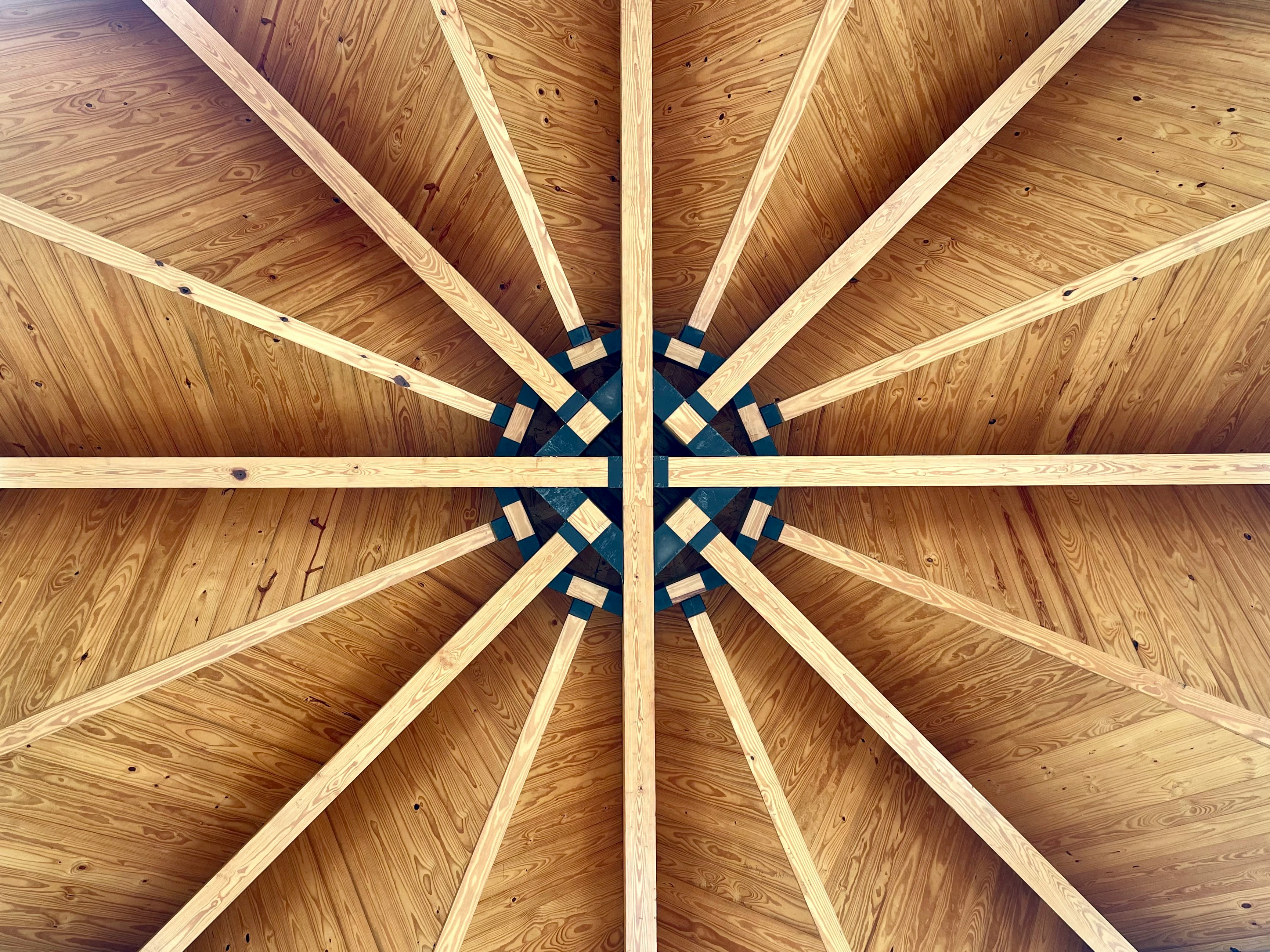
When we talk about responsible private social club design, the first thing that comes to mind is what we build with. Pretty finishes are great, but clubs must go beyond and make smart choices that last and tread lightly on the planet. An example is reclaimed wood that tells a story, or recycled metals that get a second life. We’re seeing a real shift towards using materials that are renewable, like bamboo or cork, which regrow quickly. This approach not only cuts down on waste but also adds a unique character to the space. Creating spaces that feel exclusive without the environmental cost. We’re moving away from single-use, high-impact materials and embracing options that are better for everyone.
Energy Efficiency: Powering the Club Responsibly
Keeping the lights on and the temperature just right in a club can use a lot of energy. That’s where smart design comes in. Things like high-performance insulation to keep the heat in during winter and out during summer. Natural light is a big one, too. Designing spaces that make the most of daylight means we use less artificial lighting during the day. And when we do need lights, it’s LEDs, which are super efficient. Heating and cooling systems are also getting a green makeover, with options like geothermal or high-efficiency HVAC systems that use less power. Eco-friendly social clubs can be as kind to the planet as they are comfortable for members.
Water Conservation: A Precious Resource
Water is a resource we can’t afford to waste, especially in our private clubs. This means looking at everything from low-flow fixtures in restrooms and kitchens to smart irrigation systems for any outdoor green spaces. Rainwater harvesting is another clever trick, collecting water to use for landscaping or even non-potable indoor uses. The goal is to reduce the club’s overall water footprint without anyone noticing a difference in service or comfort. It’s a quiet but important part of environmentally conscious private social clubs.
Waste Reduction and Circularity
Think about all the things a club uses and discards – from food scraps in the kitchen to packaging and old furniture. Responsible private social club design means planning for waste reduction from the start. This includes setting up robust recycling and composting programs. But it goes further to adopt a circular mindset. This means choosing furniture and equipment that can be repaired, reused, or eventually recycled. It’s also about how events are managed to minimize waste, perhaps by using reusable serving ware or working with caterers who share these values. Sustainability means closing the loop and keeping materials in use for as long as possible.
Integrating Nature: Biophilic Design in Club Environments
Bringing the Outdoors In: Plants and Natural Light
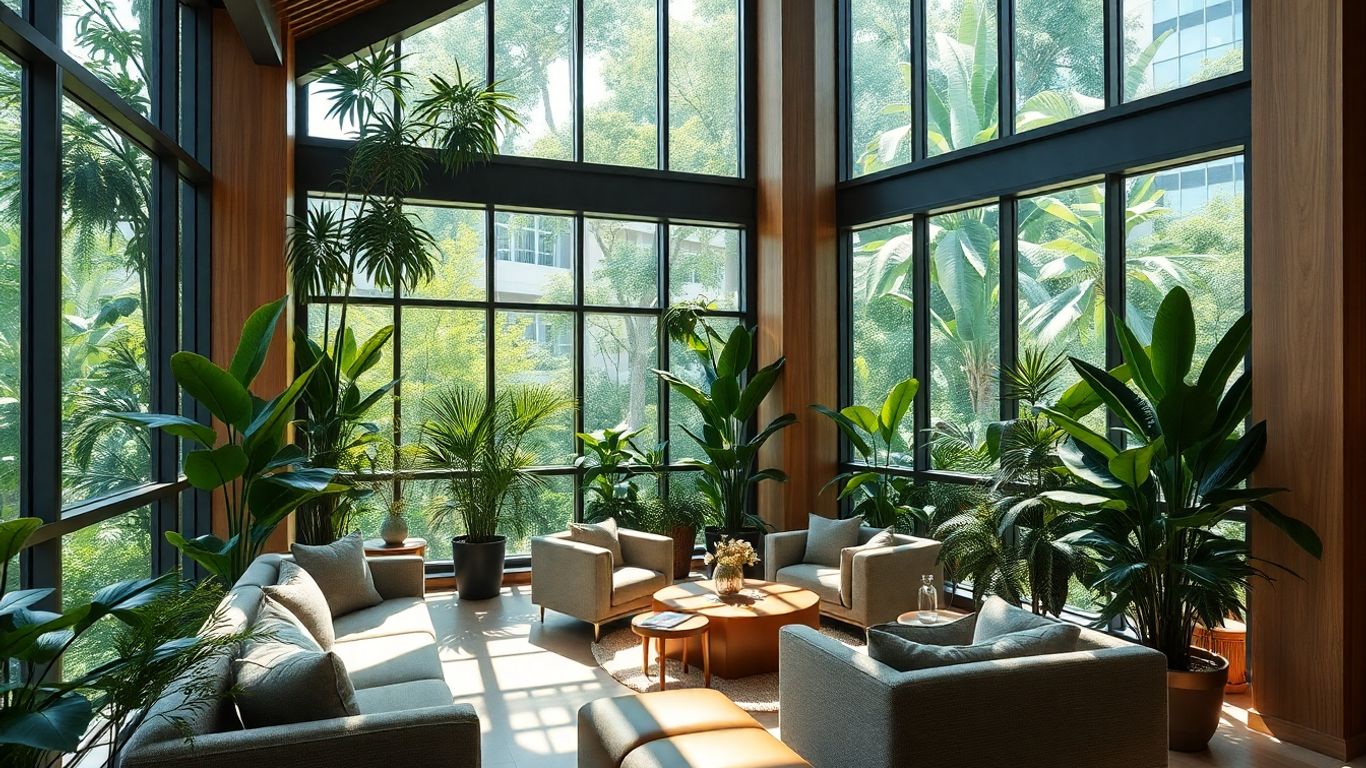
Think about your favorite spot to relax. Chances are, it involves some connection to the natural world, whether it’s a sun-drenched park bench or a quiet corner with a view of trees. This isn’t accidental; it’s our innate human pull towards nature, a concept known as biophilia. For private social clubs, embracing biophilic design is about creating environments that genuinely make members feel better. This is more than just a potted plant here and there but thoughtfully weaving natural elements into the very fabric of the club’s architecture and interior design.
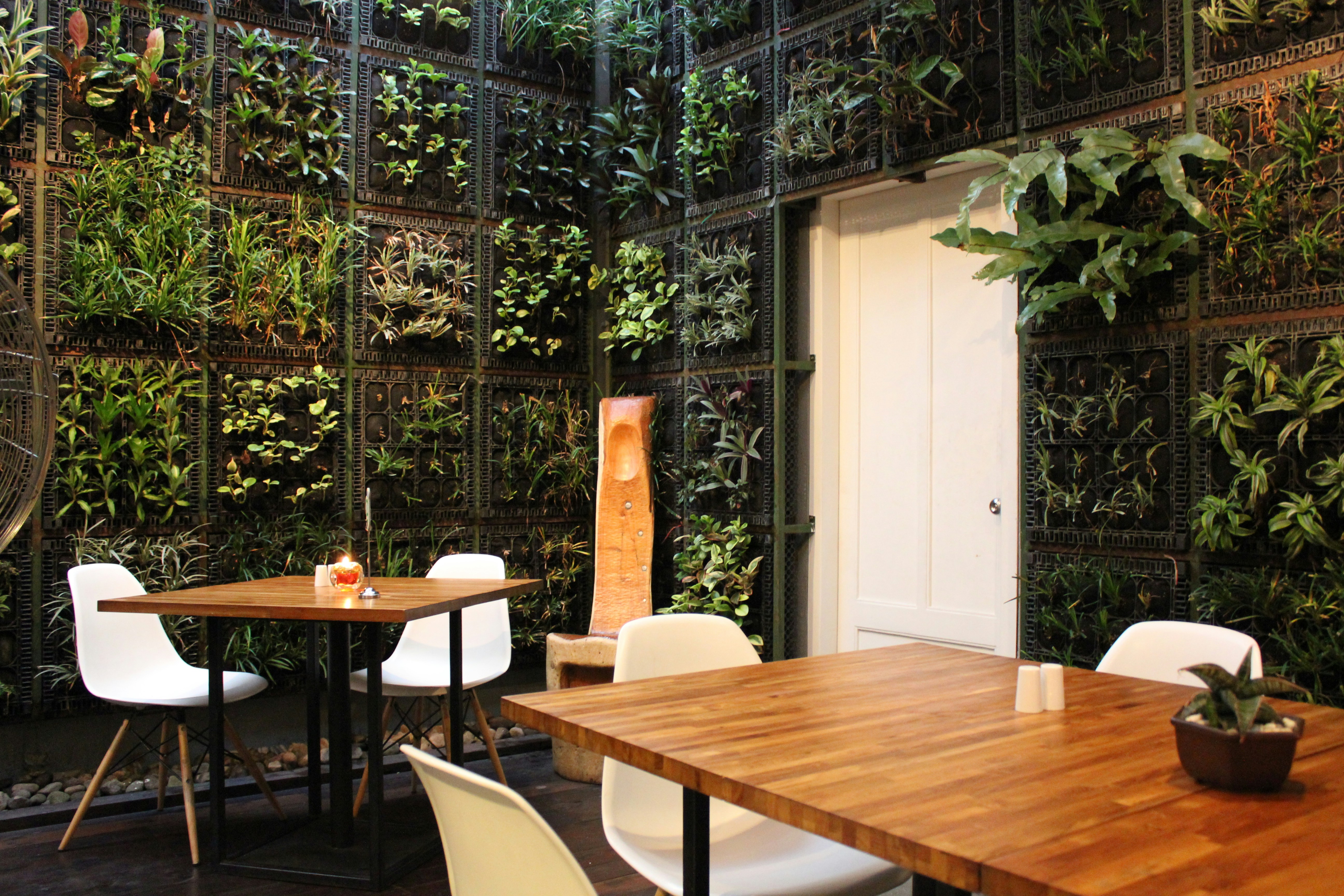
Consider how natural light can be maximized. Large windows, skylights, and strategically placed mirrors can flood spaces with daylight, reducing the need for artificial lighting and creating a more uplifting atmosphere. When it comes to plants, think beyond the lobby. Imagine living green walls in dining areas, small herb gardens accessible from the kitchen, or even indoor trees that add a sense of grandeur and calm. These touches actively improve air quality and reduce stress. The goal is to make members feel as though they’ve stepped into a serene oasis, even when they’re in the heart of a bustling city. This approach to real estate development is becoming increasingly important.
Creating Serene and Healthy Spaces
Biophilic design goes hand-in-hand with creating spaces that are not only beautiful but also promote well-being. The careful selection of natural materials plays a big role here. Think warm woods, natural stone, and textiles made from organic fibers. These materials not only look and feel good but also contribute to a healthier indoor environment by reducing volatile organic compounds (VOCs).
The sounds of nature, too, can be incorporated. Gentle water features, like a small indoor fountain or a subtle stream, can mask distracting noises and create a calming ambiance. Even the patterns and textures used in furnishings can mimic those found in nature, from leaf-like motifs to the grain of wood. This thoughtful integration of natural elements helps to reduce mental fatigue and improve cognitive function.
More private social clubs are crafting an environment where members can truly unwind, recharge, and connect with themselves and others in a more meaningful way. The result is a club that feels less like a building and more like a restorative retreat, a place where comfort and health are as paramount as exclusivity and social connection.
The Member Experience: Sustainability as a Value Proposition
We spend so much time curating these exclusive spaces, focusing on plush seating and artisanal cocktails, but sometimes we forget the most important ingredient: the planet we’re all sharing. Turns out, making a club sustainable is actually a pretty smart way to make members feel even better about belonging.
When members walk into a club that’s clearly making an effort, maybe using reclaimed wood for the bar or having a killer system for recycling, it sends a message. It says, “We care about more than just ourselves.” This kind of thoughtful design can really add to the overall vibe. It’s not just about the fancy fixtures; it’s about the ethos behind them. People are increasingly looking for businesses that align with their own values, and that includes where they choose to spend their leisure time. A club that champions eco-friendly practices can become a real draw, attracting a like-minded community and fostering a sense of shared purpose.
Here’s how sustainability can actually boost the member experience:
A Healthier Environment: Using natural, non-toxic materials and improving air quality through better ventilation and plants means members are literally breathing easier. Who wouldn’t appreciate a space that’s good for their well-being?
A Story to Tell: Sustainable choices often come with interesting backstories. That table might be made from salvaged timber from an old building, or the lighting fixtures might be energy-efficient marvels. These details add character and conversation starters, making the club feel more unique and less generic.
Pride of Association: Belonging to a club that’s making a positive impact feels good. It’s a subtle but powerful way for members to feel they’re part of something bigger, contributing to a more responsible future, even while enjoying the present. It’s like getting to enjoy a fantastic meal and knowing the ingredients were sourced with care.
Ultimately, integrating sustainability into the fabric of a private social club isn’t just a trend; it’s a way to build a more meaningful and attractive experience for everyone involved. Clubs can create a space that’s not only luxurious and comfortable but also responsible and forward-thinking, much like the members themselves.
Challenges and Opportunities in Sustainable Club Design
Making a private social club both eco-friendly and undeniably luxurious presents a unique set of hurdles and exciting possibilities. One of the main challenges is the initial investment. High-performance insulation, advanced HVAC systems, and renewable energy sources often come with a higher upfront cost. Convincing stakeholders, who might be accustomed to traditional building methods, to embrace these greener alternatives requires a clear demonstration of long-term savings and added value. They might be skeptical at first, but the right tool can seriously improve their game (and their score!).
Another consideration is sourcing sustainable materials that also meet the high aesthetic standards expected in exclusive environments. Finding reclaimed wood that looks sophisticated, or recycled glass that sparkles just right, can take extra effort. However, this challenge also opens doors. It pushes designers and club committees to get creative, perhaps even commissioning bespoke pieces from local artisans using salvaged materials. This not only supports the community but also adds a unique story and character to the club’s interiors, making them truly one-of-a-kind.
Here are a few key areas where challenges meet opportunities:
Retrofitting Existing Structures: Many clubs occupy historic buildings. Adapting these beautiful, but often inefficient, structures for modern sustainability standards can be complex. The opportunity lies in preserving architectural heritage while integrating discreet, cutting-edge green technologies. Think of it as giving a grand old dame a modern, eco-conscious makeover.
Member Education and Buy-in: Getting members excited about sustainability can be a journey. Some might see it as a compromise on luxury, while others might not fully grasp the benefits. The opportunity here is to frame sustainability not as a sacrifice, but as an enhancement to the club experience – cleaner air, healthier spaces, and a shared sense of pride in responsible stewardship. Communicating the positive impact, perhaps through subtle signage or member events focused on green initiatives, can make a big difference.
Supply Chain Complexity: Ensuring that all materials and operational supplies are genuinely sustainable can be tricky. Verifying claims and navigating complex supply chains requires diligence. The opportunity is to build strong relationships with ethical suppliers and to champion transparency, setting a higher standard for the industry. This also ties into the broader concept of social sustainability, ensuring that the club benefits its wider community.
Ultimately, the clubs that successfully navigate these challenges will not only reduce their environmental footprint but also create more desirable, healthier, and forward-thinking spaces that appeal to a new generation of members who value responsibility alongside exclusivity.
Designing clubs with sustainability in mind presents both hurdles and exciting new paths forward. We’re exploring how to make club spaces eco-friendly and responsible.
The Future is Green (and Chic)
So, we’ve talked a lot about how private clubs are changing. These places are becoming hubs for connection, creativity, and even a bit of good old-fashioned fun. And guess what? Making them sustainable is becoming a smart move. Using eco-friendly materials and saving energy all add up. Plus, today’s members are pretty savvy. They appreciate a club that cares about the planet as much as they do. So, as clubs keep evolving, weaving in green design builds a better, more responsible, and frankly, cooler space for everyone to enjoy. It’s a win-win.
Frequently Asked Questions
What is sustainable design in a private club?
Sustainable design means building and decorating clubs in a way that’s good for the planet. This includes using eco-friendly materials, saving energy and water, and reducing waste. It’s about making sure the club is nice to be in now and doesn’t harm the environment for the future.
Why are private clubs starting to care about sustainability?
Many people, especially younger members, want to be part of places that are responsible and care about the environment. By being sustainable, clubs can attract these members and show they are modern and thoughtful. It’s also about being a good neighbor and community member.
What kind of materials are used in sustainable club design?
Sustainable design uses materials that are better for the environment. This can mean using things that have been recycled or reused, like old wood or metal, or materials that come from nature and can regrow, such as bamboo or cork. The goal is to pick things that have less impact on the Earth.
How can clubs save energy?
Clubs can save energy by using things like LED lights, which use less electricity. They can also install better windows and insulation to keep heat in during the winter and out during the summer. Smart thermostats and energy-efficient appliances also help a lot.
What does 'biophilic design' mean for a club?
Biophilic design is about bringing nature into the club. This means adding lots of plants, using natural light as much as possible, and maybe even having views of gardens or water. It makes the space feel more calming and healthy for everyone.
How do clubs reduce waste?
Clubs can reduce waste by recycling things like paper, plastic, and glass. They can also try to compost food scraps. Another way is to buy things that can be used again and again instead of disposable items, and to fix things when they break instead of throwing them away.
Does sustainable design cost more for private clubs?
Sometimes, the initial cost might be a bit higher, but sustainable design often saves money in the long run. For example, using less energy and water means lower bills. Also, durable, eco-friendly materials might last longer, reducing the need for replacements.
How can members get involved in the club's sustainability efforts?
Members can help by being mindful of their own energy and water use at the club. They can participate in recycling programs and support events focused on sustainability. Sharing ideas and feedback with the club management is also very important.